
How do I know when it’s time for aged care? A guide for Yarra Valley families
When is it time for aged care? It is one of the hardest questions a family can face. Your parent or partner is getting older, things are becoming more difficult at home, and somewhere in the back of your mind you are wondering whether it might be time to consider aged care. But how do you actually know?
There is no single moment that answers the question. For most families in the Yarra Valley and Yarra Ranges, the realisation comes gradually, through a series of small signs that collectively paint a picture of someone who needs more support than they are currently getting.
This guide is designed to help you recognise those signs, have the conversation, and understand what your options are.
Signs that it may be time to consider residential aged care
Every person’s situation is different, but there are some common indicators that families notice when the time for residential care is approaching.
Safety at home is becoming a concern
Falls are one of the most significant warning signs. A single fall can be a serious event for an older person, and repeated falls suggest that the home environment or the person’s mobility has changed in ways that are difficult to manage safely without support. If your loved one has had a fall recently, or if you find yourself worrying about what might happen when no one is around, that concern deserves attention.
Other safety issues include leaving the stove on, forgetting to take medication, getting lost in familiar places, or being unable to respond appropriately in an emergency. These are not signs of laziness or stubbornness. They are signs that the brain or body is no longer able to manage independently, and that 24-hour support may be what is genuinely needed.
Personal care is declining
If your loved one has stopped bathing regularly, is wearing the same clothes for days at a time, has lost significant weight, or is no longer managing meals properly, these are signs that the practical tasks of daily living are becoming too difficult. Home care services can help to a degree, but there is a point at which the level of support required exceeds what can realistically be delivered in someone’s home.
Carer exhaustion
If you are the primary carer for someone, your own wellbeing matters too. Carer exhaustion is real and it is serious. If you are not sleeping, if your own health is declining, if your relationships are suffering, or if you feel that you simply cannot continue at the current level, that is important information. Residential aged care is not giving up on someone you love. It is making sure they receive the level of care they need from people who are trained and supported to provide it around the clock.
Dementia is progressing
For families in the Yarra Valley caring for someone living with dementia, the progression of the condition often brings a point at which home care is no longer safe or sufficient. Wandering, night-time disturbance, aggression, incontinence, and the inability to recognise familiar people or surroundings are all signs that specialist dementia care in a prepared, safe environment may be the right next step.
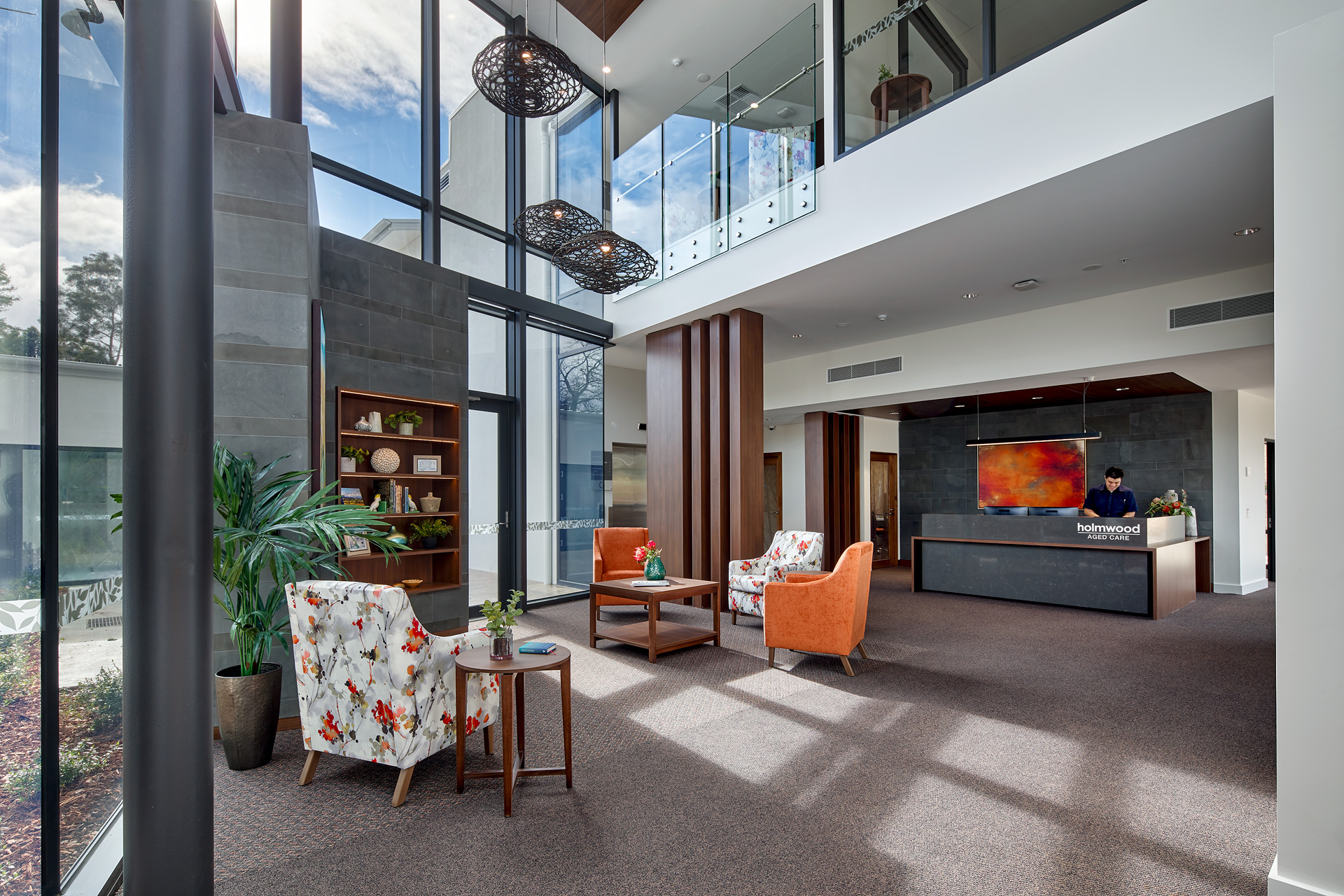
At Holmwood in Healesville, our dementia-friendly care approach is designed to support people at all stages of the condition, in an environment that reduces anxiety and promotes dignity.
After a hospital stay
Many families begin the conversation about aged care following a hospitalisation. A fall, a stroke, a significant infection, or a surgical procedure can change someone’s care needs significantly and quickly. If your loved one has recently been a patient at Austin Health, Eastern Health, or Maroondah Hospital, the discharge planning team can assist with an aged care assessment before they leave hospital.
How to have the conversation
Talking to a parent or partner about aged care is rarely easy. Most people have strong feelings about their independence, and the idea of moving into a care facility can feel frightening or like a loss of control.
A few things that can help:
Choose a calm moment, not immediately after a crisis or a fall. Give the conversation space rather than trying to resolve everything at once. Focus on safety and quality of life rather than framing it as a problem to be solved. If possible, involve your loved one in the process of exploring options, visiting facilities, and asking questions. People who feel part of the decision tend to settle into care more comfortably than those who feel it has been decided for them.
It is also worth acknowledging their feelings honestly. Fear, grief, and resistance are all understandable responses to a significant life change. You do not need to argue those feelings away. You just need to keep the conversation open.
What happens next?
If you believe the time for residential aged care may be approaching, the first practical step is an assessment through the Single Assessment System. This is a free government process that determines eligibility for residential aged care and other services. You can initiate it by calling My Aged Care on 1800 200 422 or applying online.
Once eligibility is confirmed, you can begin visiting facilities. We encourage families across the Yarra Valley, from Healesville and Yarra Glen through to Lilydale, Chirnside Park, and beyond, to come and visit Holmwood. Meet our team, see our home, and ask whatever questions are on your mind. There is no pressure and no obligation.
You can reach us on (03) 5962 4321, or find more information on our Getting Started page and Our Care page.
_
For over 40 years, Holmwood has supported older Australians with compassionate, 24/7 care in the heart of the Yarra Valley.
To arrange a personal tour or speak with our team about care options, contact us today.
March 2026: Highlights
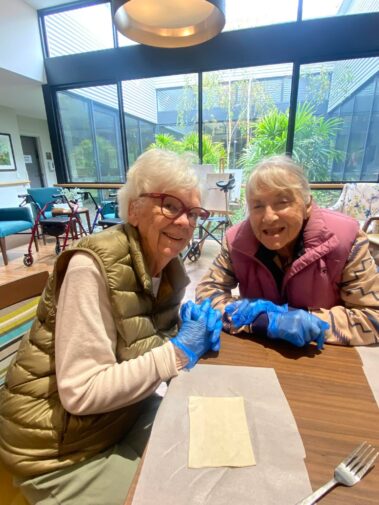
Holmwood Aged Care activities in March have been all about connection, creativity and community. From […] Learn more

Welcome to the pamper salon
Thursday is spa day at Holmwood Aged Care! Residents enjoy pampering and TLC in our resident pamper salon in Healesville. Learn more
NOW OPEN | Coranderrk House
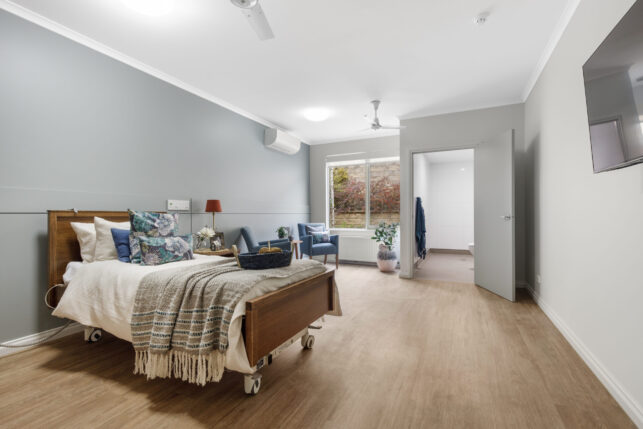
Holmwood Aged Care is proud to announce the completion of Coranderrk House renovation. New private rooms now available in Healesville, Yarra Valley. Learn more